About
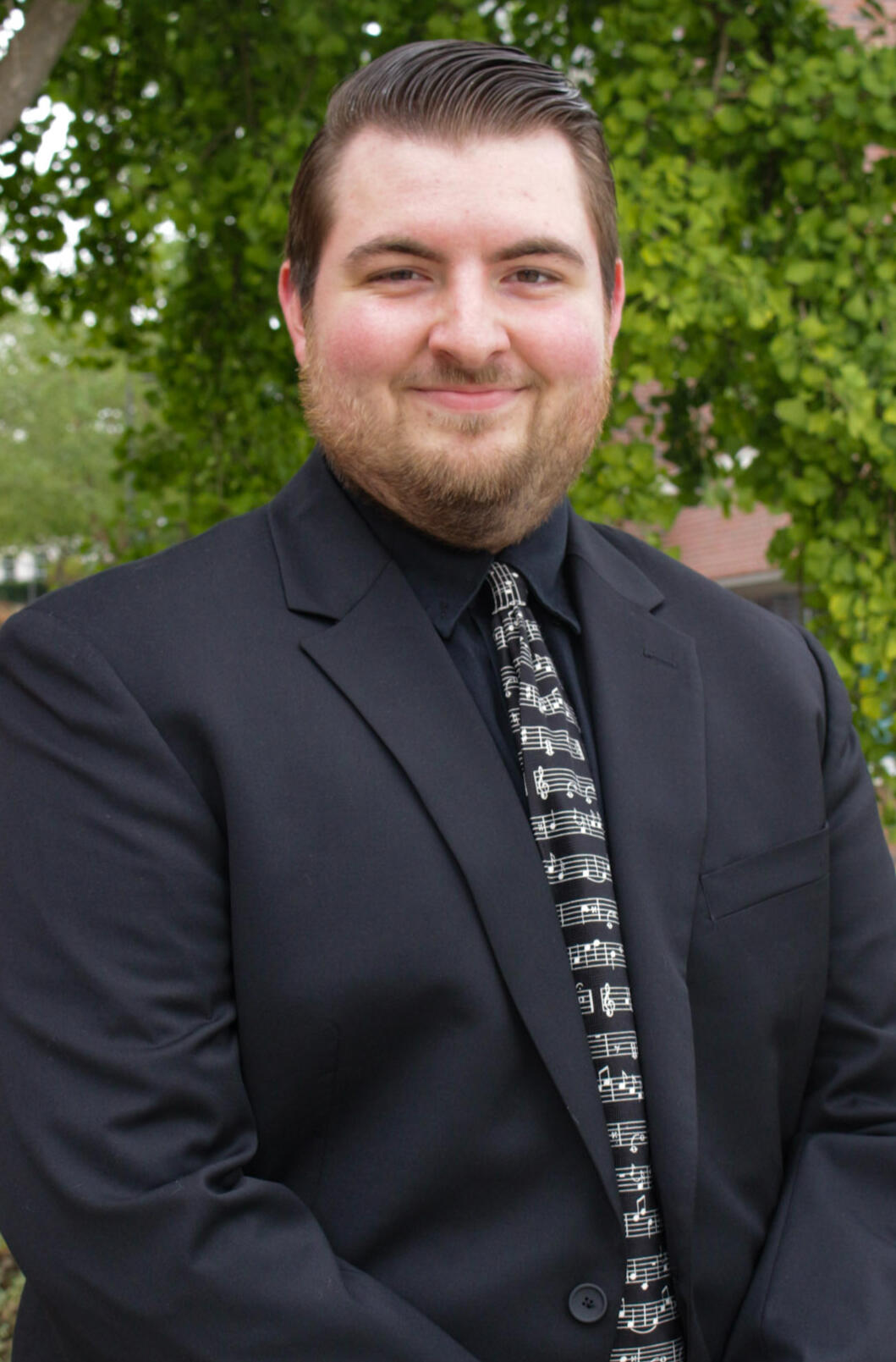
Brian Gambler (b. 2003) is a young composer based in Central Pennsylvania. He graduated in 2026 with an undergraduate degree in music education from Messiah University. Most recently, in February 2026, part of Brian's chamber symphony Three States was premiered at Franklin and Marshall College in Lancaster, Pennsylvania.Brian's first publicly premiered work was in 2022 with Daybreak Fanfare alongside the Schuylkill Valley High School Concert Band. During his undergraduate education, he has several works premiered by various ensemble, with several significant premieres including Ruptured Sky by the Messiah University Wind Ensemble, Blindsided by the Messiah University Brass Choir, and Die Weißen Förden and String Quartet No. 4 in C during Messiah's Musica Nova concert series. In 2024, he won the Pennsylvania Music Educators Association (PMEA) Composition Contest at the undergraduate level. In 2025, Gambler was commissioned by the Greater Harrisburg Concert Band (GHCB) to compose a new work for the band. This commission resulted in "Hardtack", a short march for concert band. Gambler studies composition with Dr. Jim Colonna and percussion with Dr. Erik Forst at Messiah University.Brian continues to develop new works for various ensemble types and is constantly working on creating his own sound.

Large Ensemble Works
Cumulostratus (2026)
Concert Band
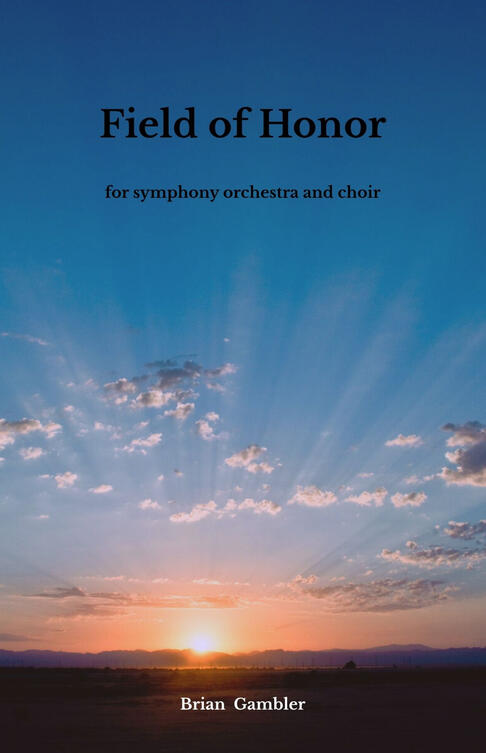
Field of Honor (2025)
Symphony Orchestra + Choir
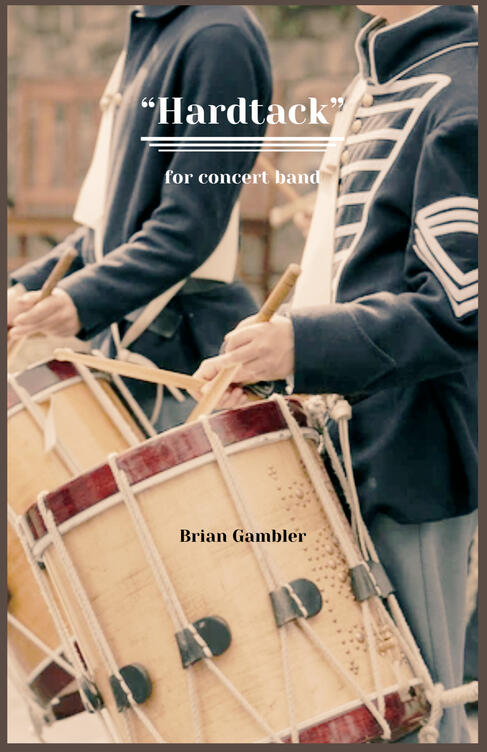
"Hardtack" (2025)
Concert Band
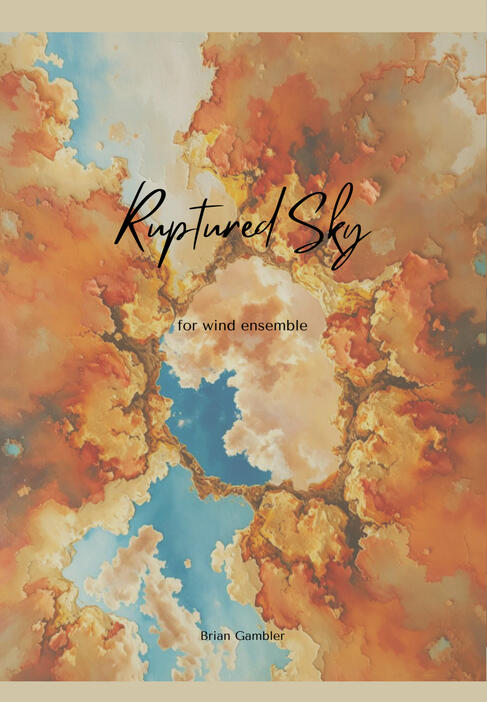
Ruptured Sky (2024)
Wind Ensemble
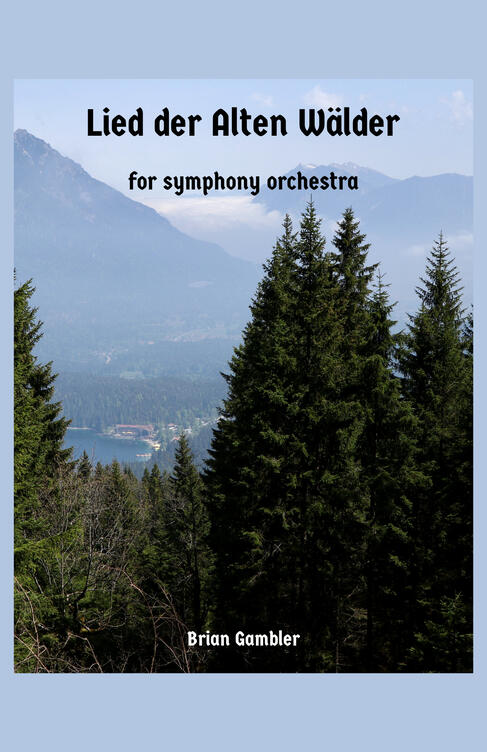
Lied der Alten Wälder (2023)
Symphony Orchestra
Chamber Ensemble Works
Traversal (2026)
Percussion duet
"Potential" (2025)
Solo multi-percussion
circumstantial (2025)
Vibraphone duet
Three States (2025)
Chamber Orchestra
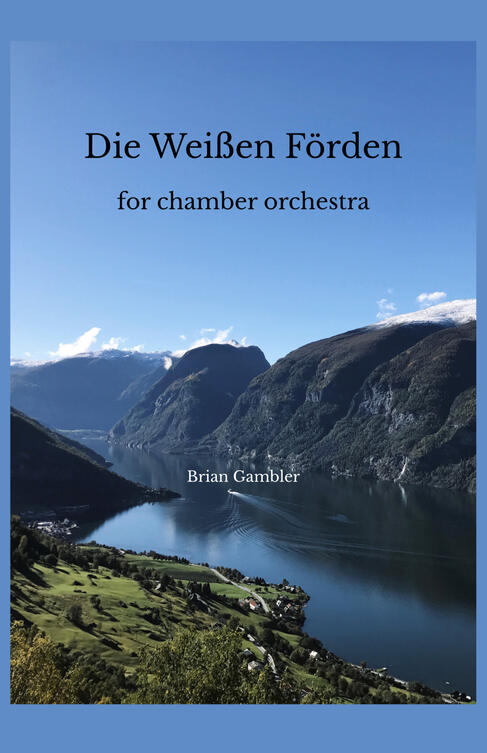
Die Weißen Förden (2024)
Chamber Orchestra
Blindsided (2024)
Brass Choir
String Quartet No. 4 in C (2023)
String Quartet
The Republic (2023)
Brass Choir
Saturday, May 2, 2026
1:00 PM
Messiah University
Traversal
Tuesday, May 5, 2026
7:00 PM
Northern York County High School"Hardtack"
Contact
Please fill out the form below if you would like to contact me!
Thank you!
For your interest in my site and my music! I will get back to you as soon as possible!
Performances:
February 7th, 2026 - Franklin and Marshall College
Three States is a piece that took me to a lot of interesting places. I spent approximately six months on this piece, and used my experiences to develop the motivic material heard throughout the work. The time in which I composed this work was a mix of severe stress and happiness that was my junior year of college. As a music education major, junior year is the hardest year due to the sheer amount of coursework and ensemble work required of me. The structure of the piece reflects this back and forth. Each movement utilizes moments of ‘stress’ and moments of happiness. I wanted to write this work, because at the time, I was transferring my compositional style out of the somewhat ‘neo sturm und drang’ that a lot of young composers tend to gravitate to, that neo-romantic, emotional, intense composing that is always influenced by so much of the darkness young people see in the world today. My first larger work for a wind ensemble setting, Ruptured Sky, catapulted me into wanting to make my work more nuanced to reflect myself and my experiences.
Many composers working now, especially young composers, attempt to write their own symphonies. There are many reasons for this, but some reasons that I have either observed in myself or in others are the idea that the symphony is the greatest kind of work a composer can engage with, or that since a symphony should be ‘long and broad’, it is a good way to show off compositional prowess, or that no one will look at your work unless you compose one, or that writing single movement large works or even smaller works is ‘less than’ the great symphonic writers of the past. I myself went through this phase. I tried (and failed) several times to compose a symphony. Looking back, I believe I attempted four “Symphony No. 1's” over the years, to no avail. For a long while, it seemed to me that I could not compose in the rigid format of a symphony.Then I listened to a chamber symphony...Approx. Length: 18 min
Field of Honor is a large, multi-movement work for symphony orchestra and a full choir. It is separated into three, unnamed movements. This piece was composed between May and November of 2025, the transition between my junior and senior year of college. There are not many works written about the events of 9/11, which is one of the reasons I decided to put together this work about Flight 93. “A common field one day. A field of honor forever” is how the Flight 93 National Memorial is described by the National Park Service.I felt compelled to write Field of Honor after diving into several works about the subject of the 9/11 attacks, including music written after the tragedy. The work that hit me the hardest was John Adams’ On the Transmigration of Souls. It is an extremely moving piece, and I would say that it pushed me over the edge in my decision to begin writing this work. I take the events that I am attempting to portray and discuss through the music very seriously, and above all else, I want to honor the legacy of those who heroically gave their lives to save countless others. The piece is dedicated to the men and women of United Airlines Flight 93."I. The first movement is a memorial. It is built around one melodic motif that is twisted and molded in different iterations throughout the movement.II. The second movement is a musical description of the events of the hijacking. The music is swift and frantic, building to an enormous climax that does not slam into the next downbeat. It simply just stops. What follows is up to the audience to interpret. Percussive sound effects take over, followed by the choir, singing for the first time just before the 10 minute mark. The music then becomes purely atonal - a washing sound that does not go away. After all of this uncomfortableness and foreboding, the darkness slowly retreats as the music transitions into the last movement.III. The third and last movement is a musical reflection on the events that have transpired. There are moments of the darkness returning, representing the sorrow and mourning, but the overwhelming feeling is not of fear, but hope. The sudden consonance represents the unity that the tragedy has given us, striving to rebuild and grow, putting aside differences to remember and honor the countless heroes of that day. The choir returns, first singing a pain-ridden, dissonant setting of Psalm 23, but soon returns with a reflective setting of the Lord’s Prayer. This reflection soon erupts into joy and triumph. The piece ends on a hopeful bVII chord. this provides a level of uncertainty, but staying close enough to the tonic to make the hope more realized."Approx. Length: 22:30 min
Performances:
February 14th, 2025 - Messiah University
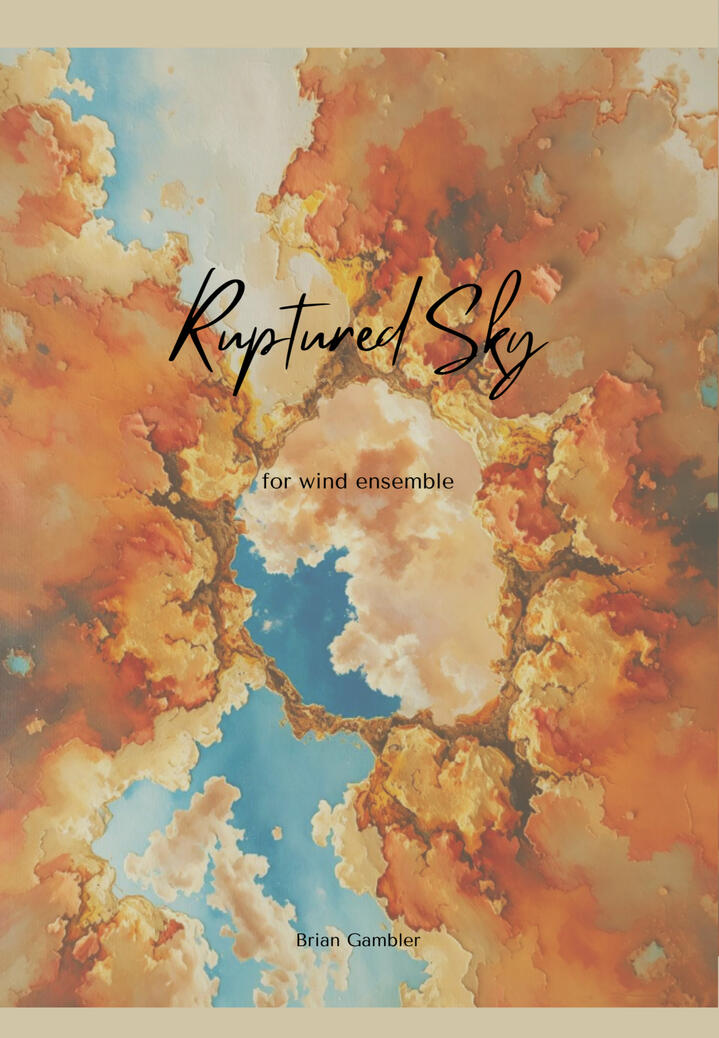
Ruptured Sky is a work for wind ensemble. The piece depicts the joy of looking up at the sky at different times of the day. The piece is dotted with three main themes that depict three different feelings that the vast sky brings - serenity, wonder, and curiosity. Throughout the piece, the listener is transported from broad daylight in a clear sky to the dark of night and then back again to day by the way of a new dawn.Approx. Length: 6 min
Performances:
November 2nd, 2025 - Messiah University
This solo work for multi-percussion is intended to poke fun at the idea of a piece that is thrown together haphazardly. There are many motifs and themes scattered throughout the work, but none of them develop beyond mere repetition. The different themes often intertwine with one another but do not grow to become something more, almost like the piece is “all fluff, no substance”. This is entirely intentional. The setup is quite large for a multi-percussion solo, especially with four different kinds of cymbals being used.Instrumentation:
- Bongos
- Splash cymbal
- Trash cymbal
- China splash
- China cymbal
- Snare drum
- 4 Concert toms
- Kick drum
- Temple blocksApprox. Length: 4:20 min
Performances:
Summer 2025 - Greater Harrisburg Concert Band
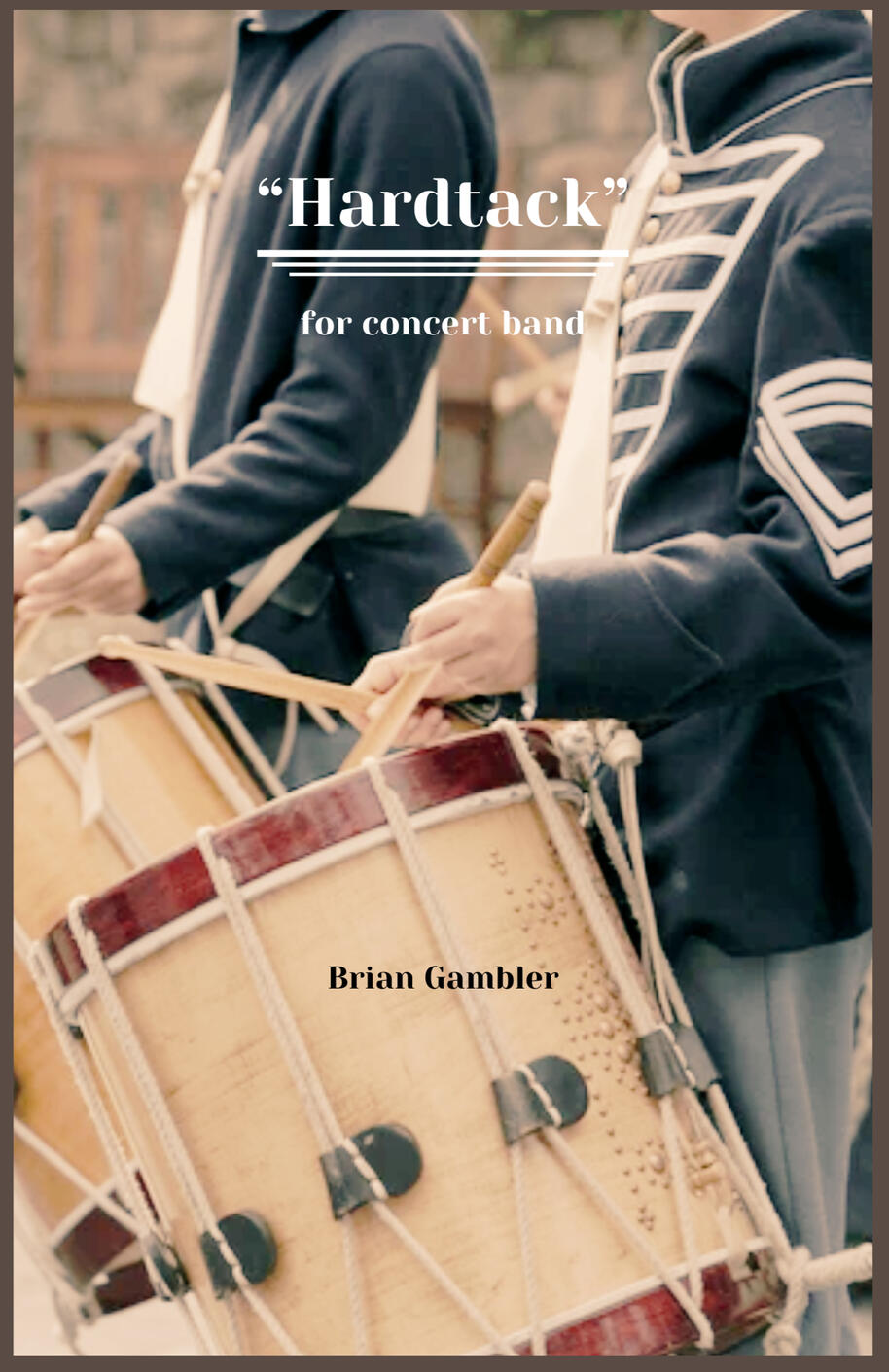
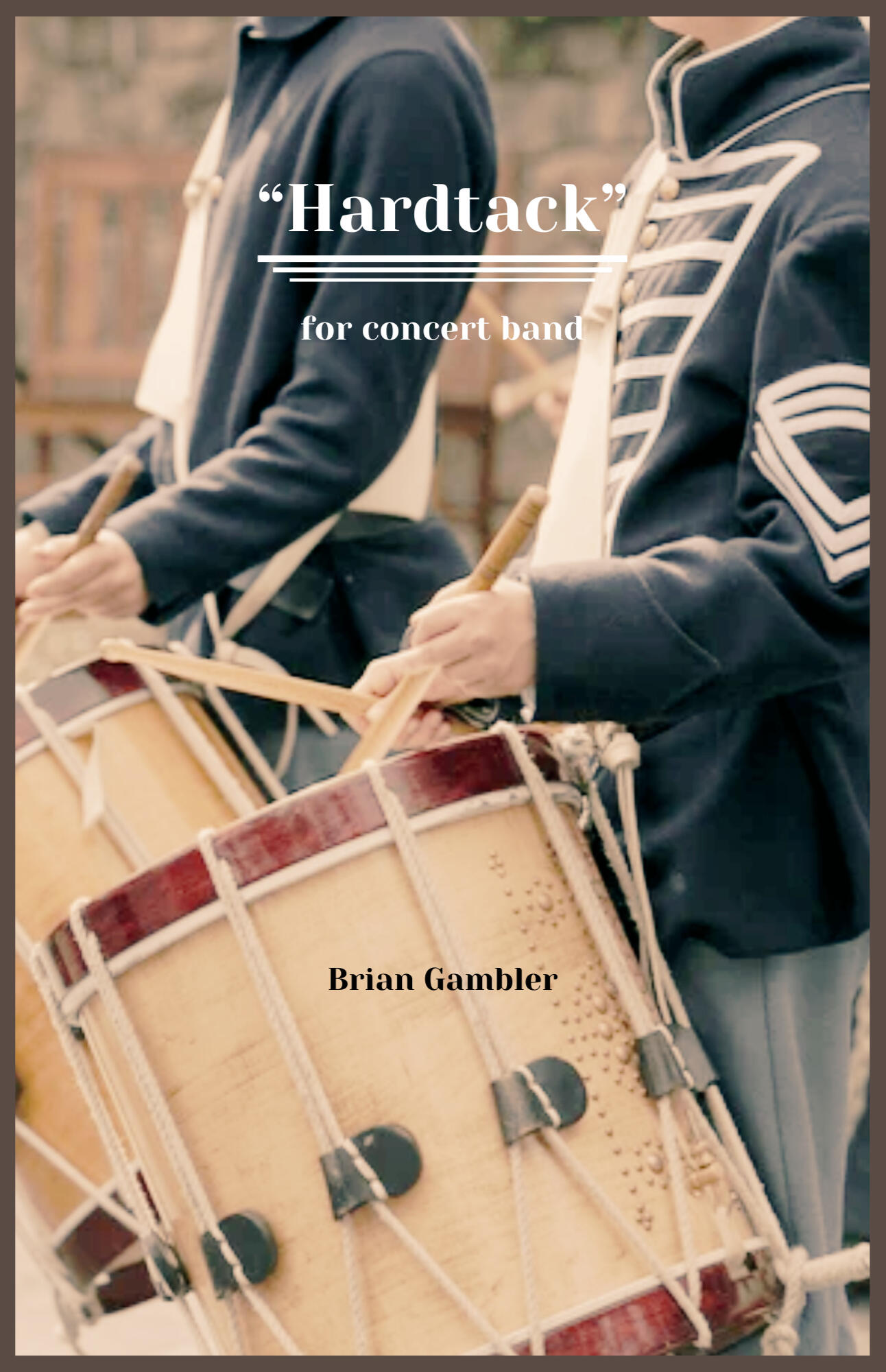
"Hardtack" is a short march written for concert band. It is a piece reminiscent of fife-and-drum marches from the 18th and 19th centuries. The specific inspirations of the work are marches from the American Civil War.Approx. Length: 2:30 min
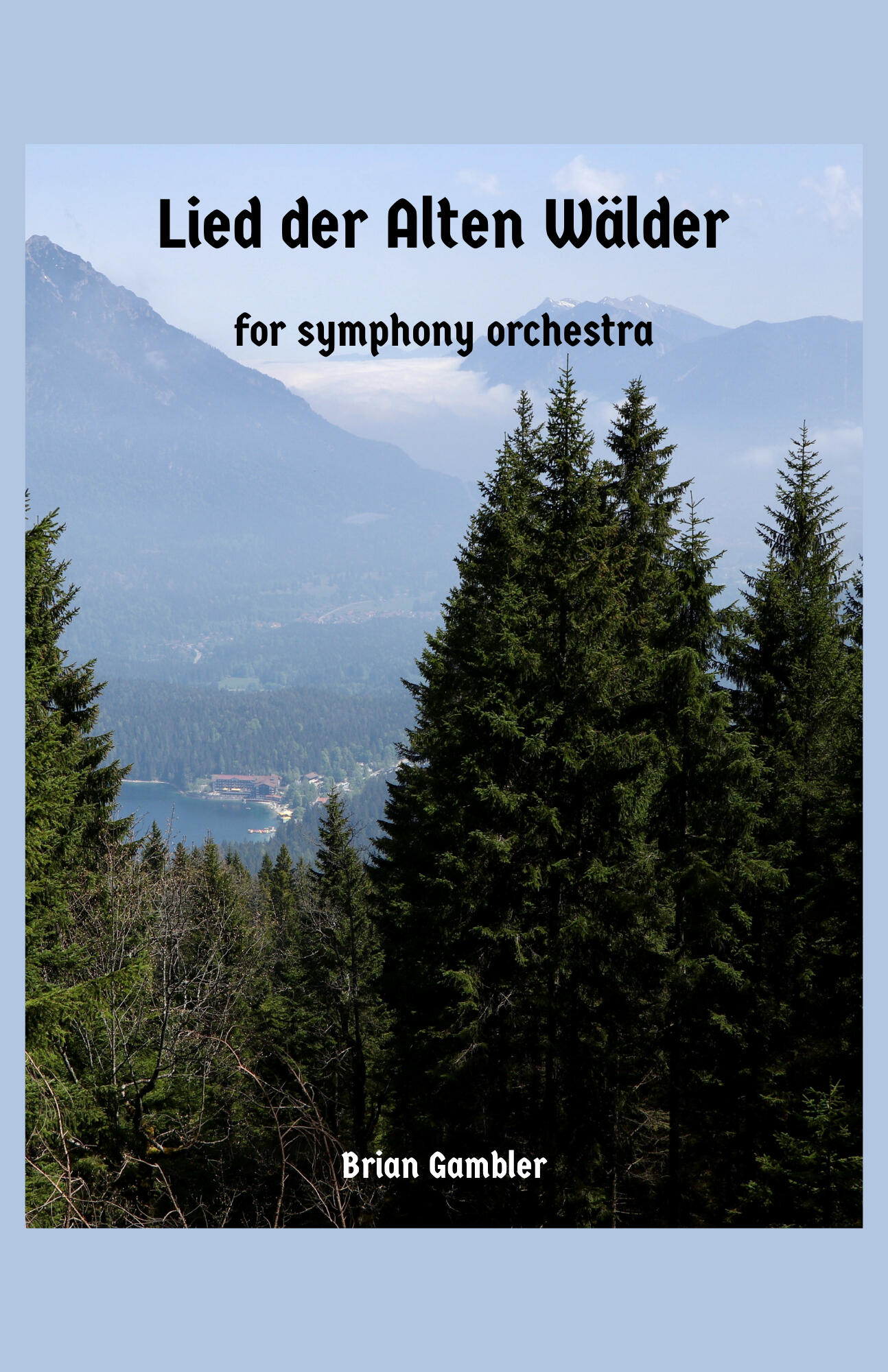
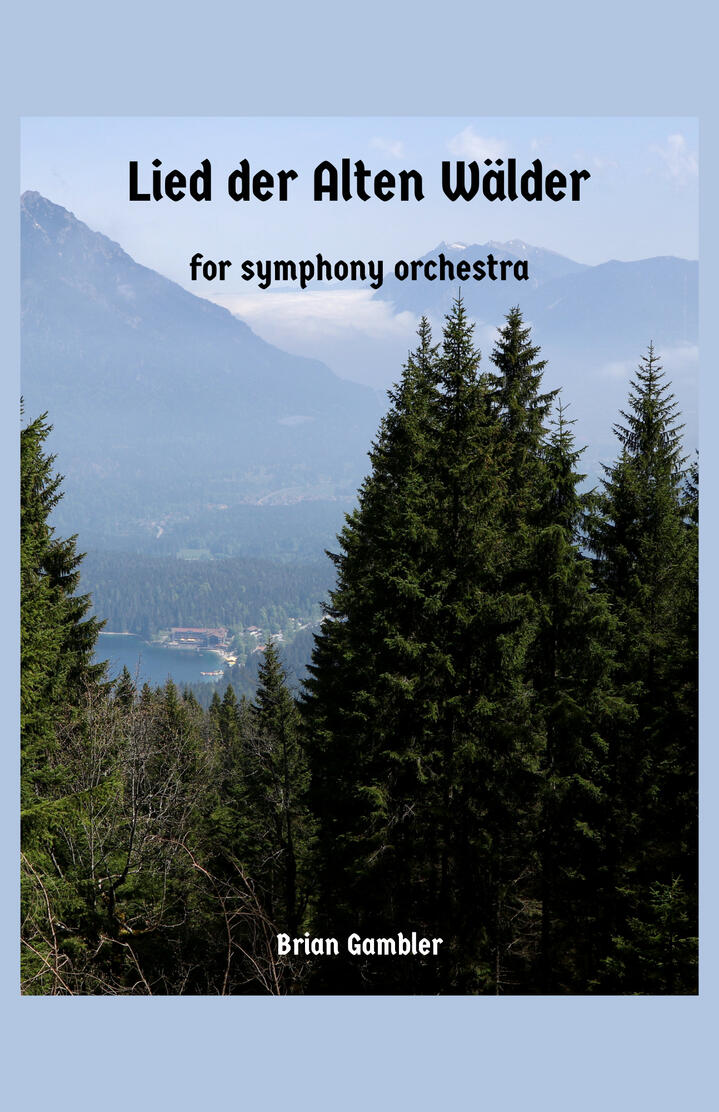
Lied der Alten Wälder was composed in mid 2023 as part of my effort in the Pennsylvania Music Educators Association (PMEA) Young Composers Contest. I won the collegiate level for that competition that year, and got to go to the All-State PMEA festival in the spring of 2024 to present the piece alongside the other winners of the middle and high school levels.This work, translated from German as "Song of the Old Woods", is a piece utilizing imagery of old German forests, following the listener as they walk through one of these forests, and experiencing the beautiful, haunting, nature of thick forests.Approx. Length: 7 min
Performances:
November 1st & 2nd, 2025 - Messiah University
circumstantial is a vibraphone duet based around harmony. The piece is separated into three distinct sections. Each of these sections focuses on a different kind of harmonic structure. There are also some ‘non-traditional’ playing techniques used.During my experiences in my college’s Music History II and III courses, I learned about a wide variety of compositional techniques used in the late 19th and throughout the 20th centuries. These techniques were new and exciting for me, so I tried experimenting with them for a while. This piece is a result of that experimentation. The three sections of this piece are derived from three different compositional styles: pure atonalism, 12-tone serialism, and Messiaen’s modes of limited transposition. The use of these techniques leaves the listener without a sense of familiarity in the harmony. The intent is to take the audience for a ride that will not resolve, as the last chord of the piece is a thick cluster chord -- pure un-resolution.Approx. Length: 6 min
Performances:
April 8th, 2025 - Messiah University
Blindsided is a piece for brass choir and percussion. It in inspired by the adrenaline rush caused by a fast-paced highway in the middle of the night. The many punchy rhythms and dissonant harmonies are meant to evoke the image of weaving cars and motorcycles, bordering on collisions.
If you are interested in purchasing any of my works, send me an email!
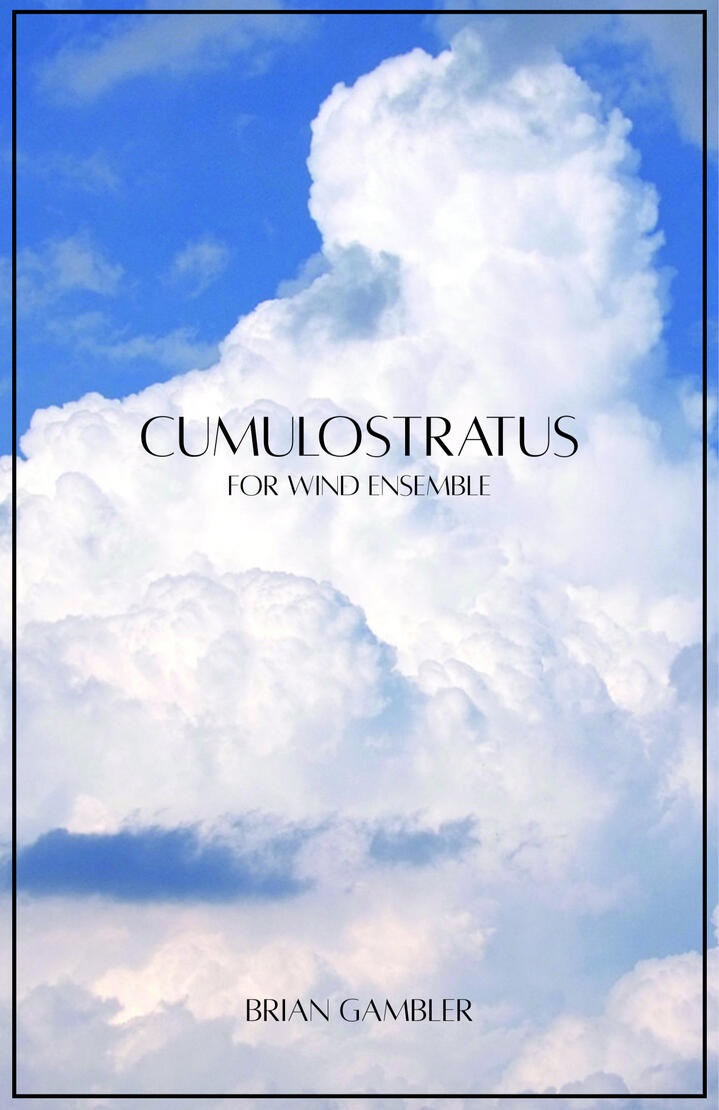
Cumulostratus - Download score & parts
$45.00
circumstantial - Download parts & score
$40.00
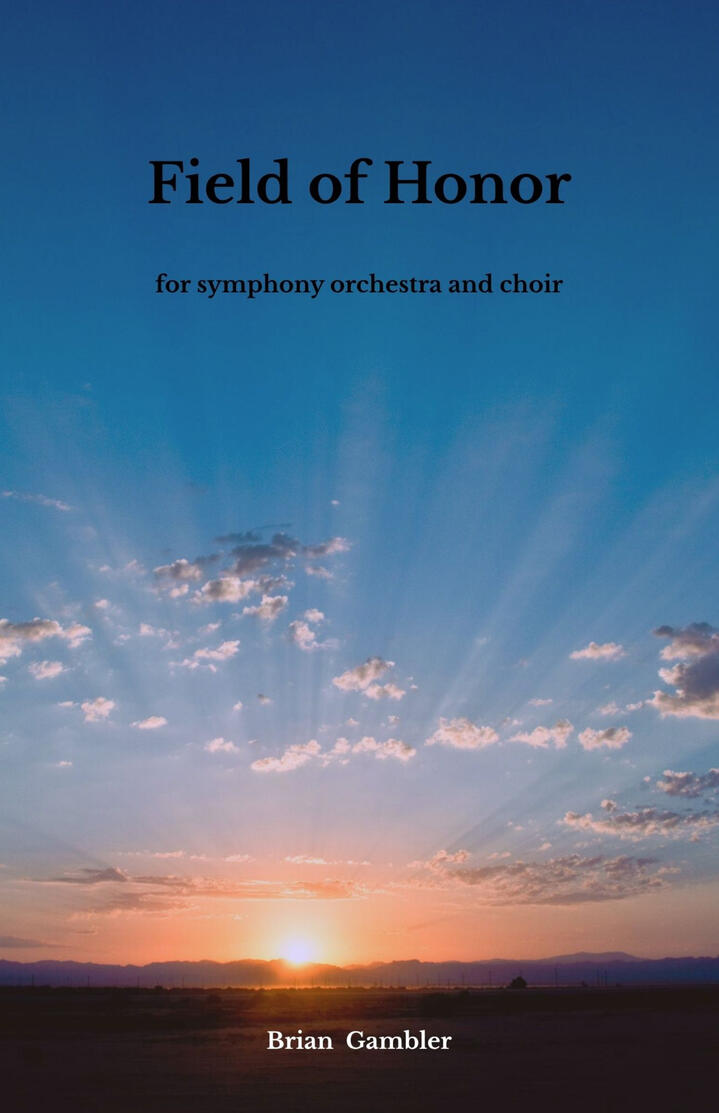
Field of Honor - Physical score
$85.00
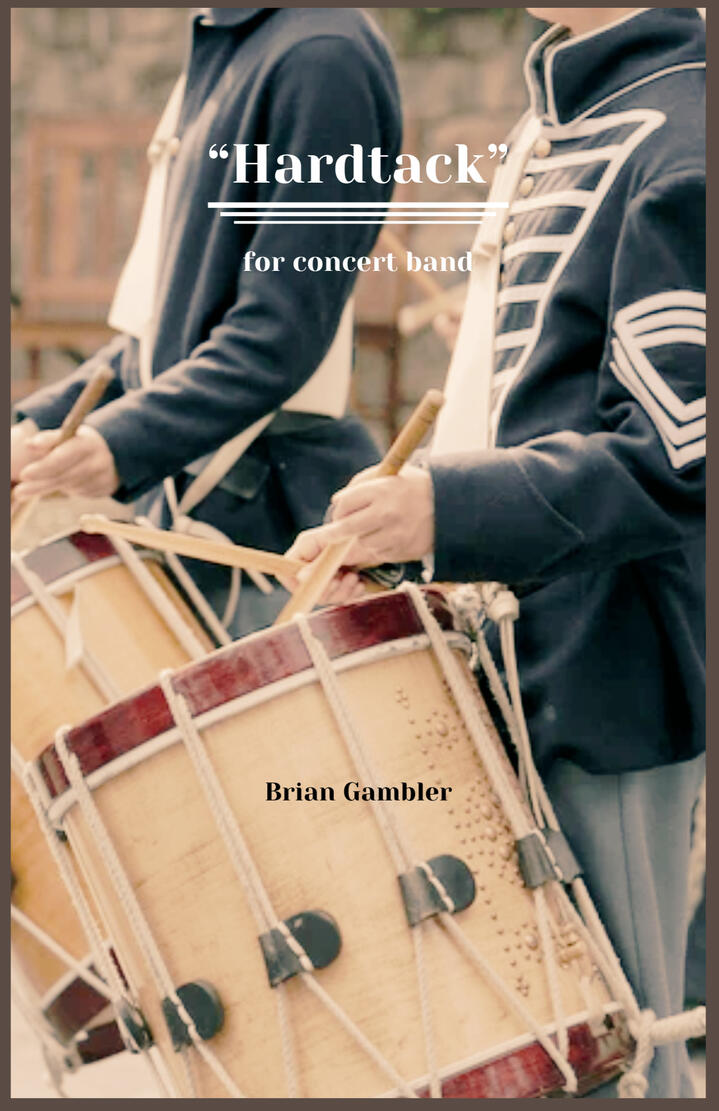
"Hardtack" - Download parts & score
$45.00
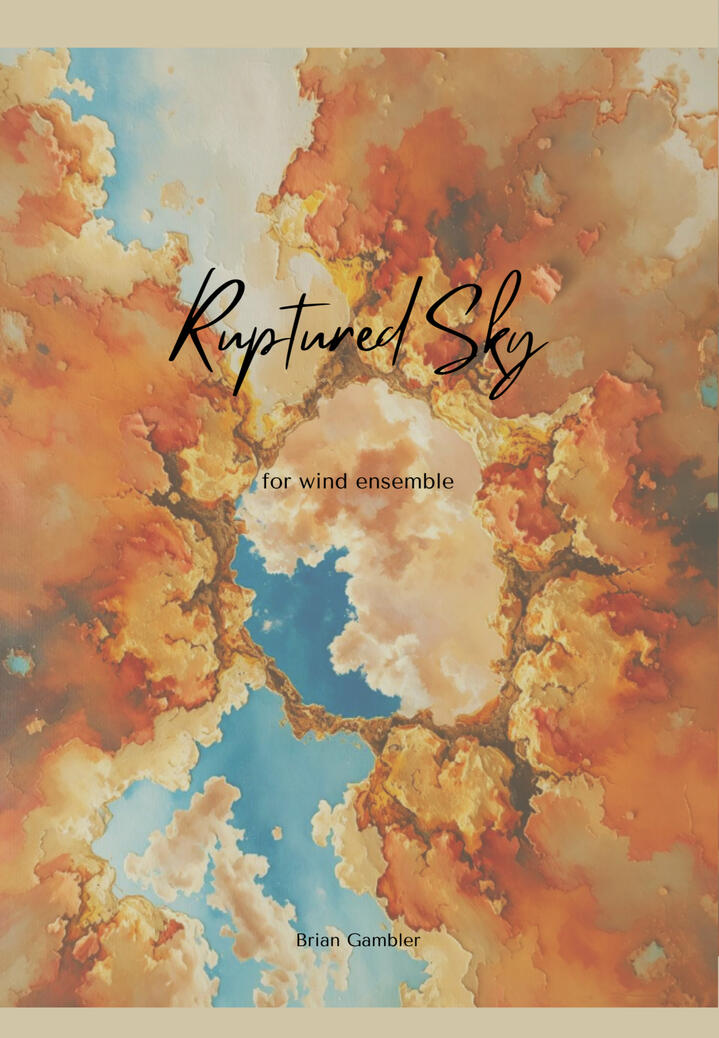
Ruptured Sky - Physical score
$30.00
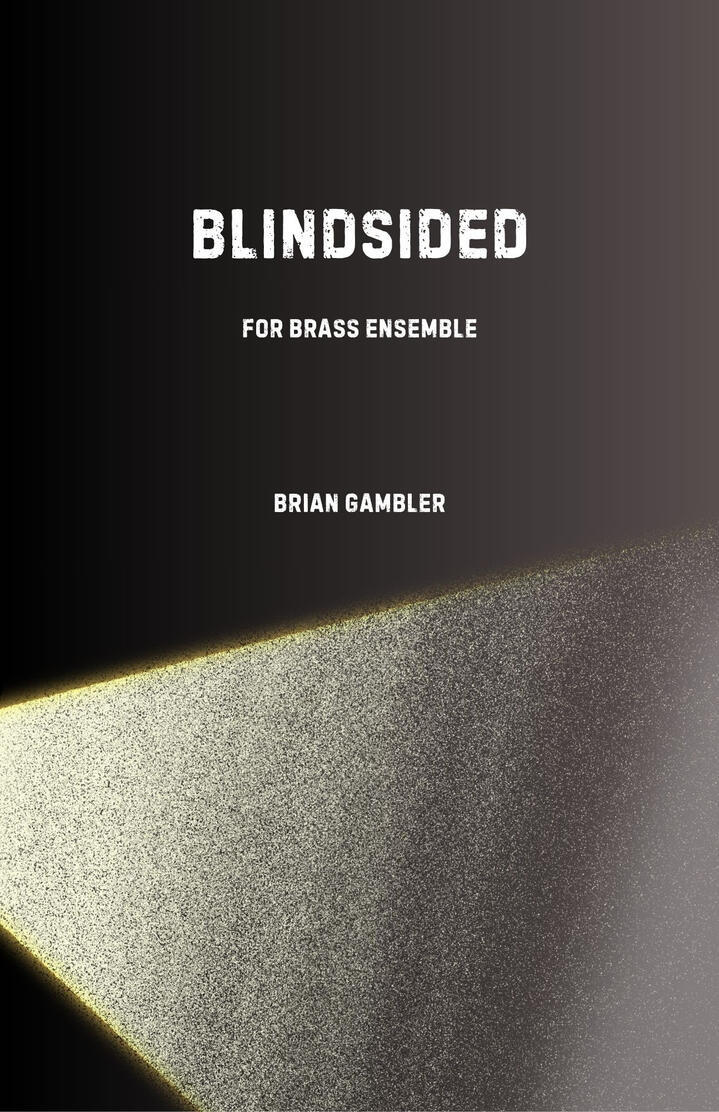
Blindsided - Download parts & score
$75.00
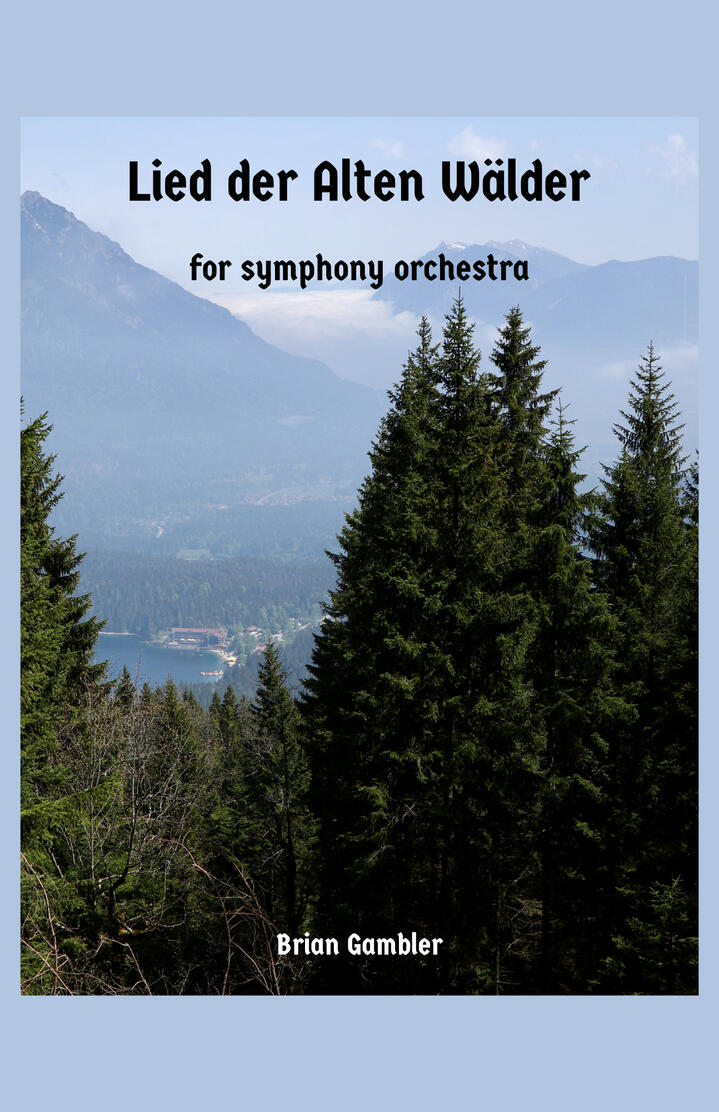
Lied der Alten Wälder - Download score & parts
$65.00
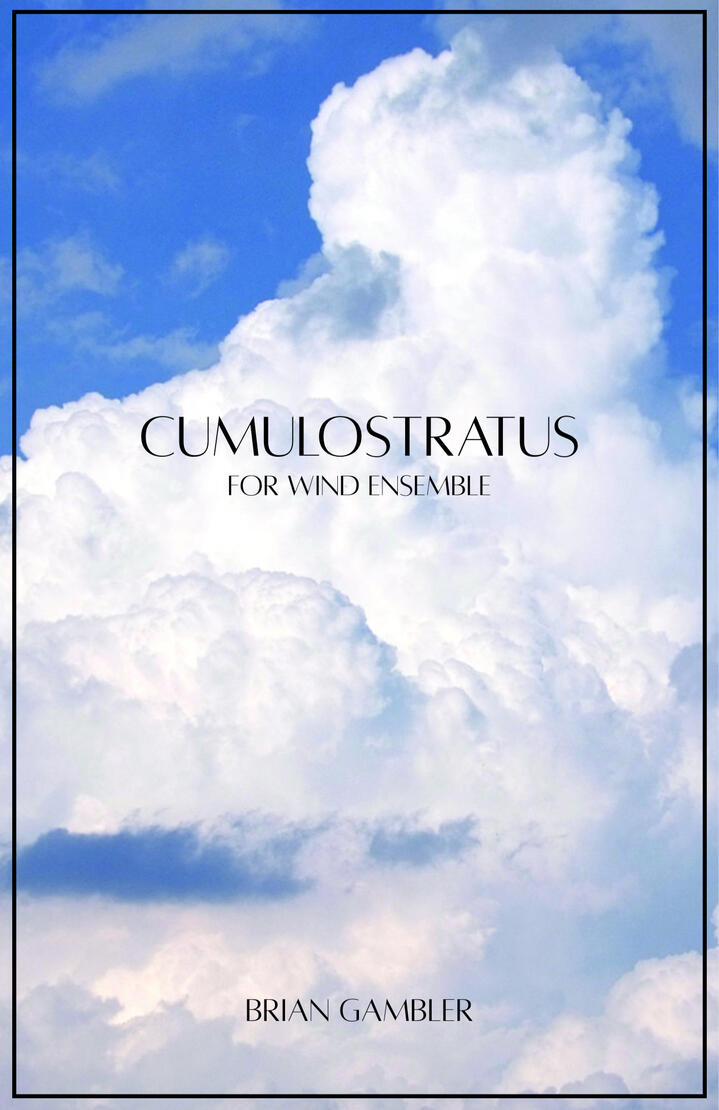
Cumulostratus - Physical score
$15.00
"Potential" - Download parts & score
$28.00
Three States - Physical score
$75.00
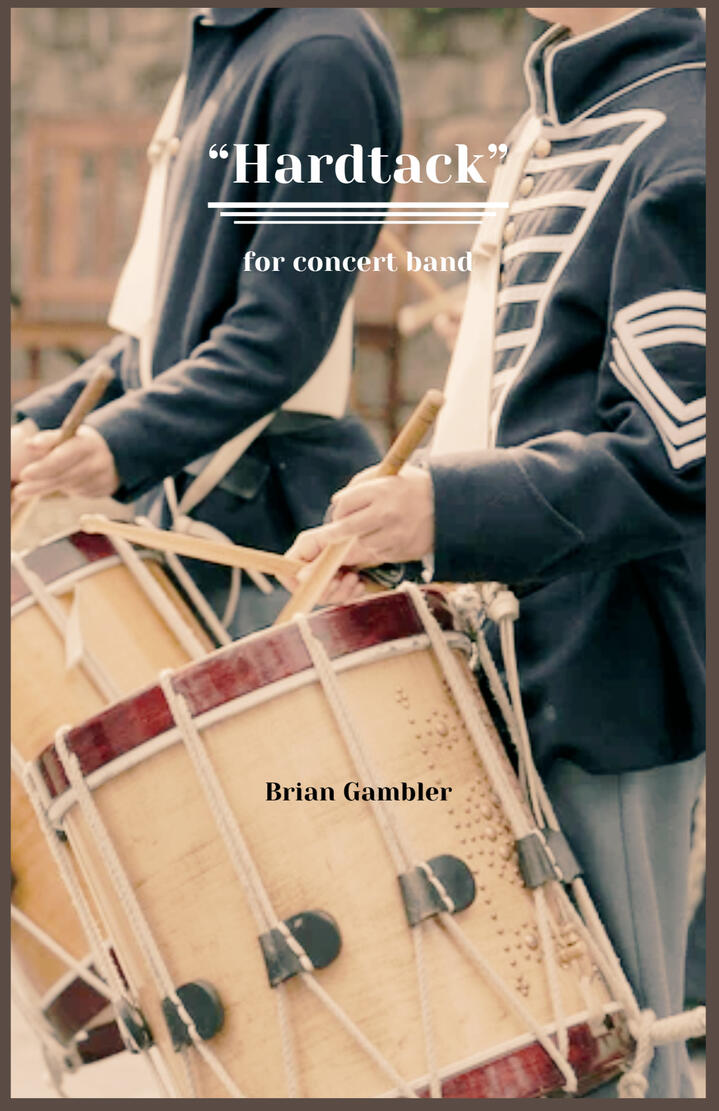
"Hardtack" - Physical score
$15.00
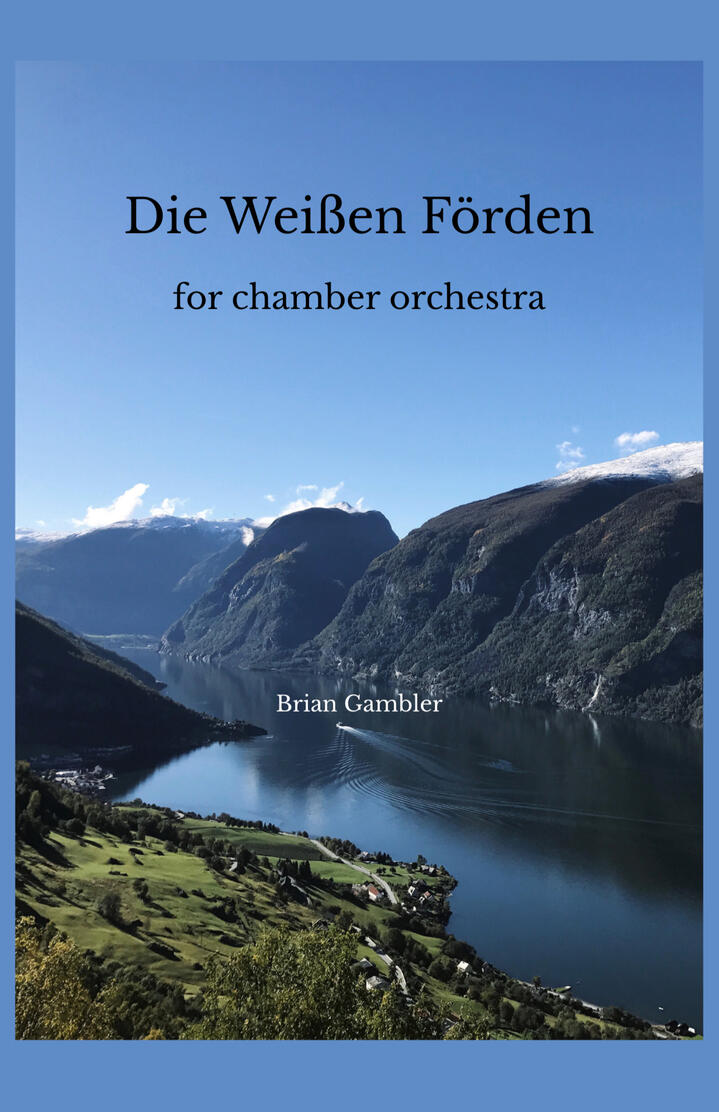
Die Weißen Förden - physical score
$20.00
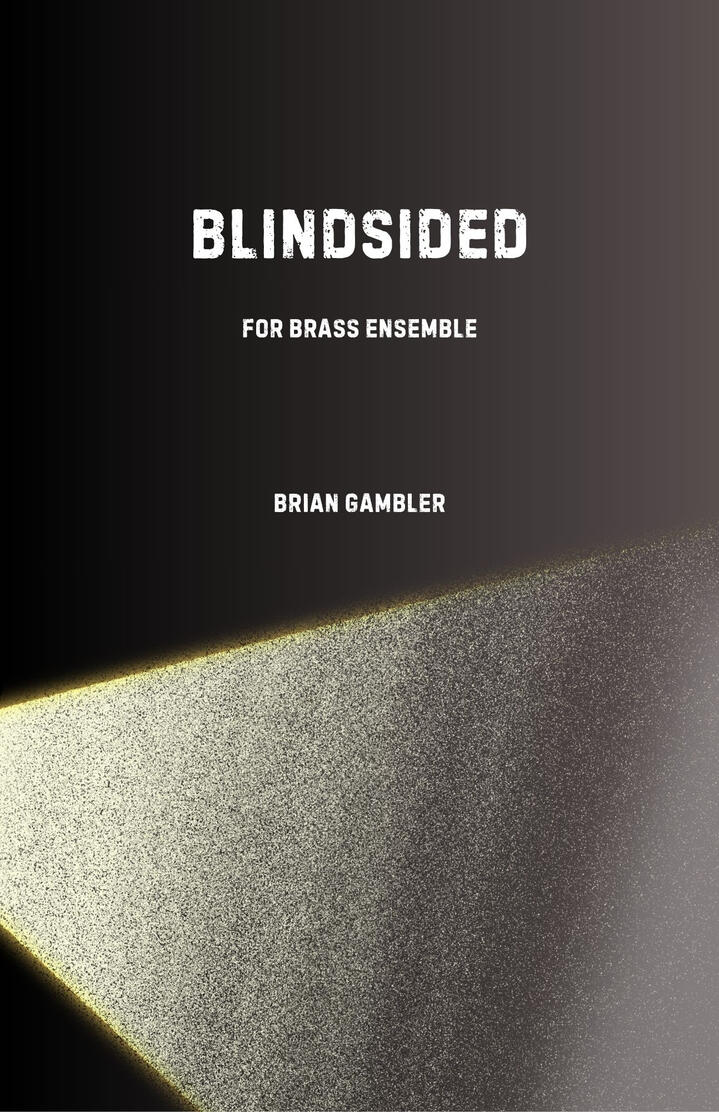
Blindsided - Physical score
$20.00
String Quartet No. 4 - Download score & parts
$65.00
Traversal - Download parts & score
$20.00
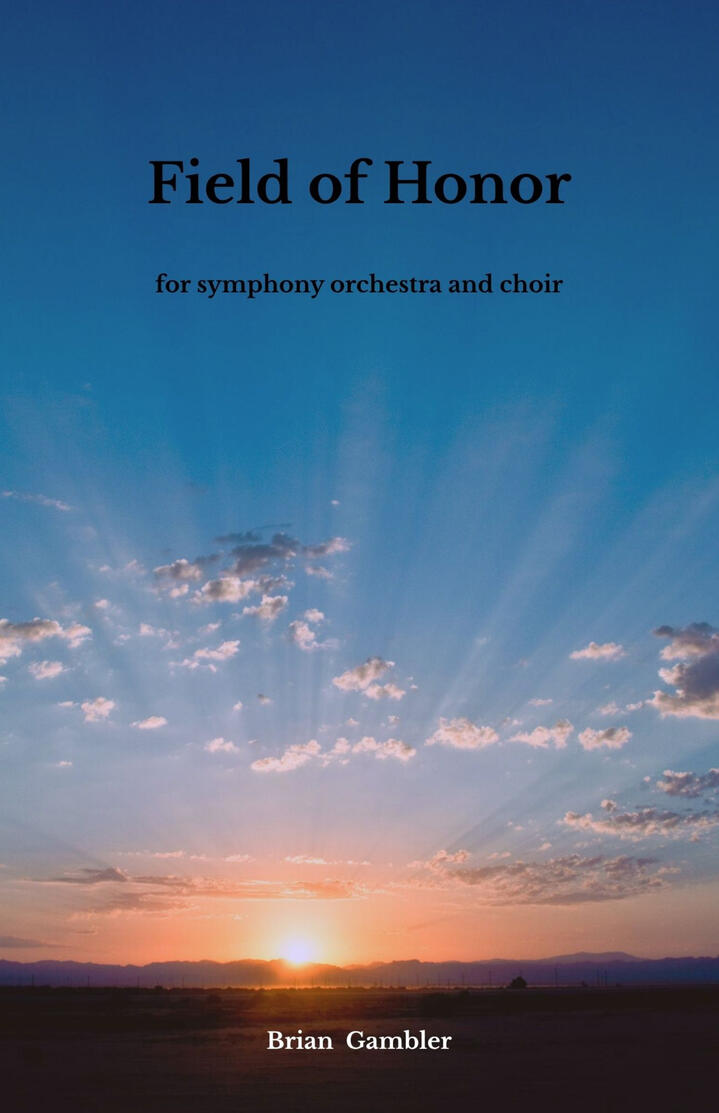
Field of Honor - Download score & parts
$300.00
Three States - Download score & parts
$225.00
Ruptured Sky - Download score & parts
$90.00
Die Weißen Förden - Download score & parts
$75.00
Lied der Alten Wälder - Physical score
$20.00
The Republic - Download score & parts
$65.00